Opening Reception: Friday, August 21, 6:00 – 8:00 p.m.
Curator Talk: Wednesday, September 16, 6:00 – 7:00 p.m.
Artist Talk: Friday, October 2, 6:00 – 7:00 p.m.
Artist Book-making Workshop: Saturday, October 3, 1:00 – 3:00 p.m.
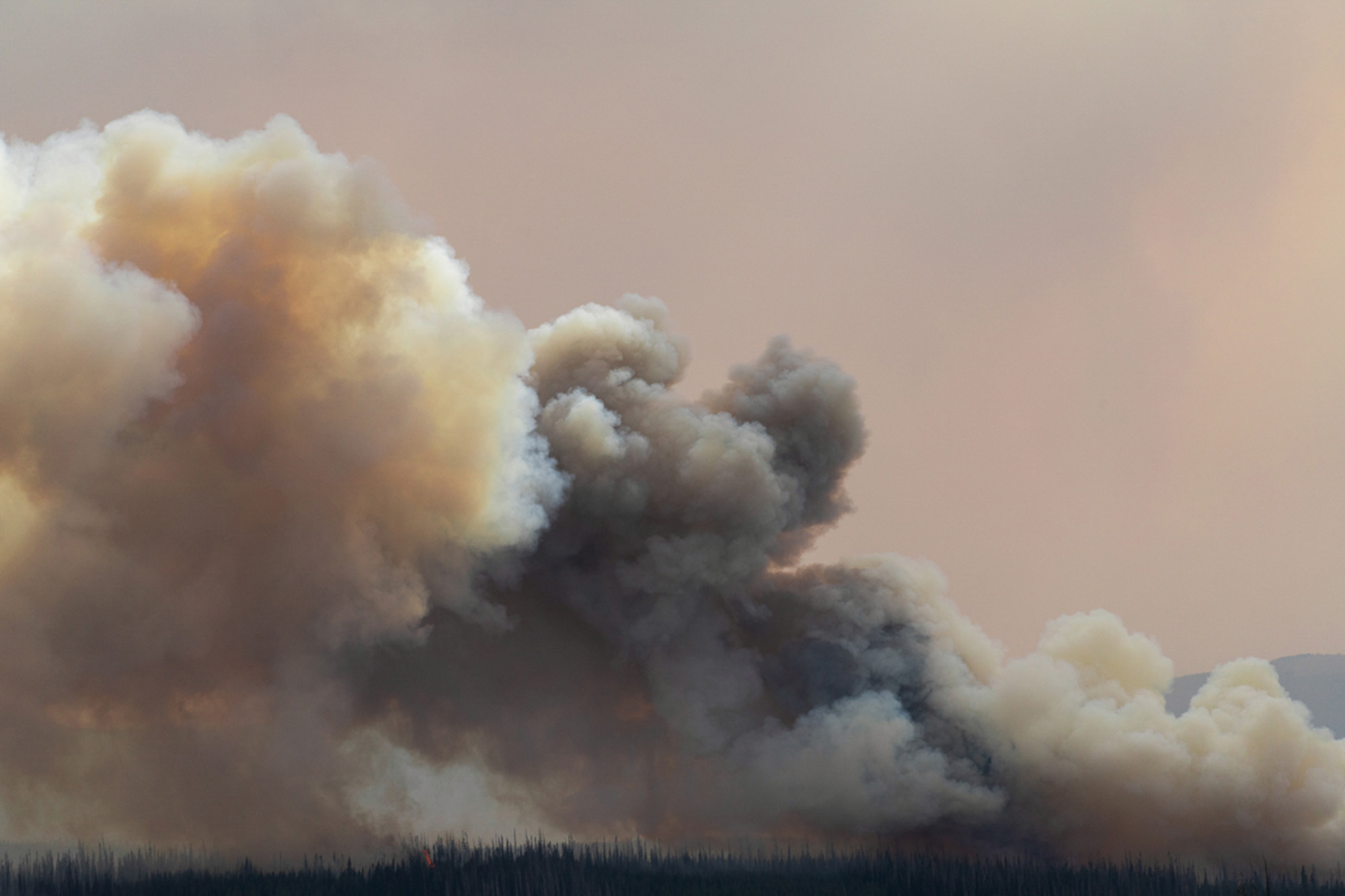
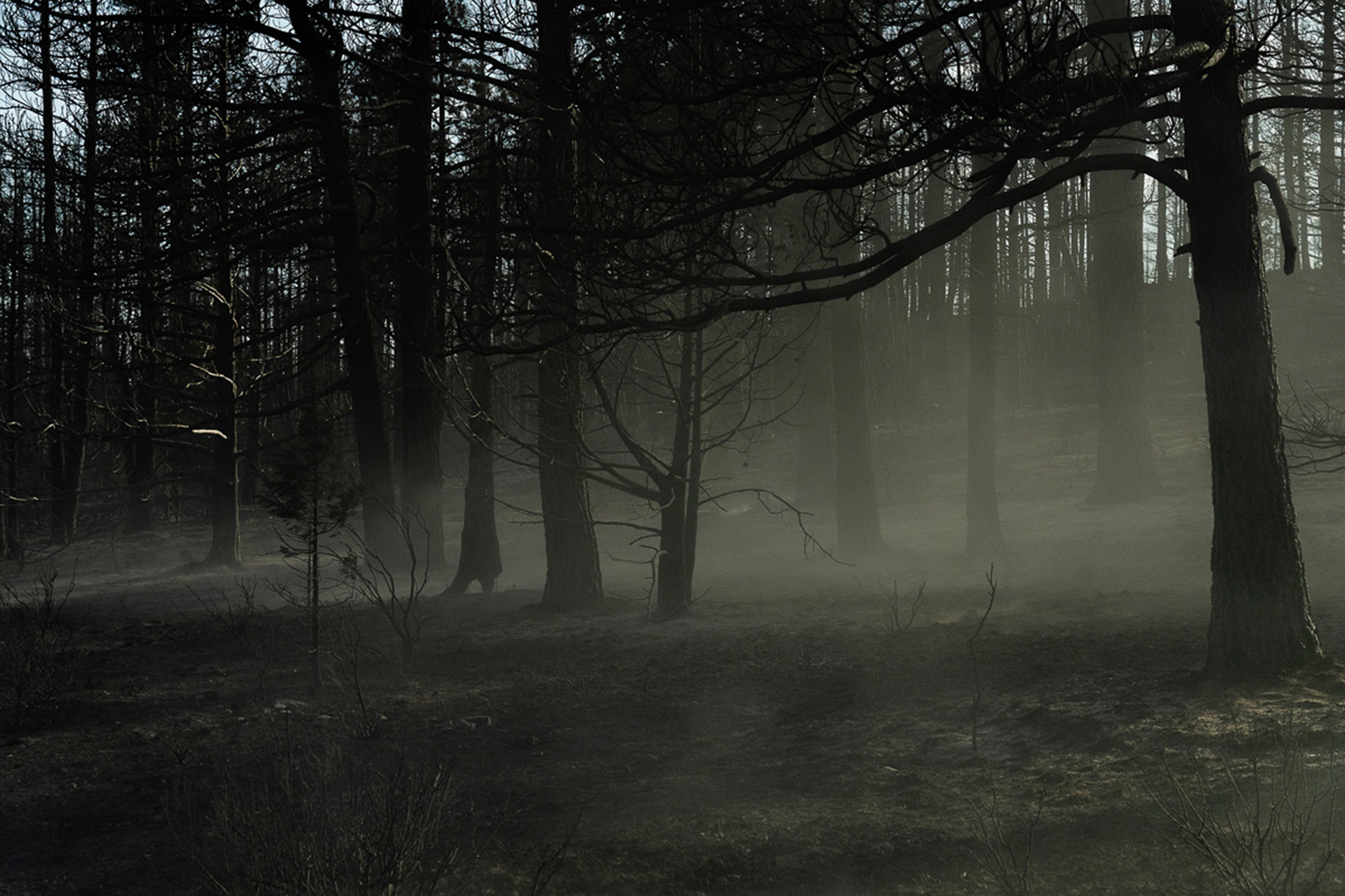
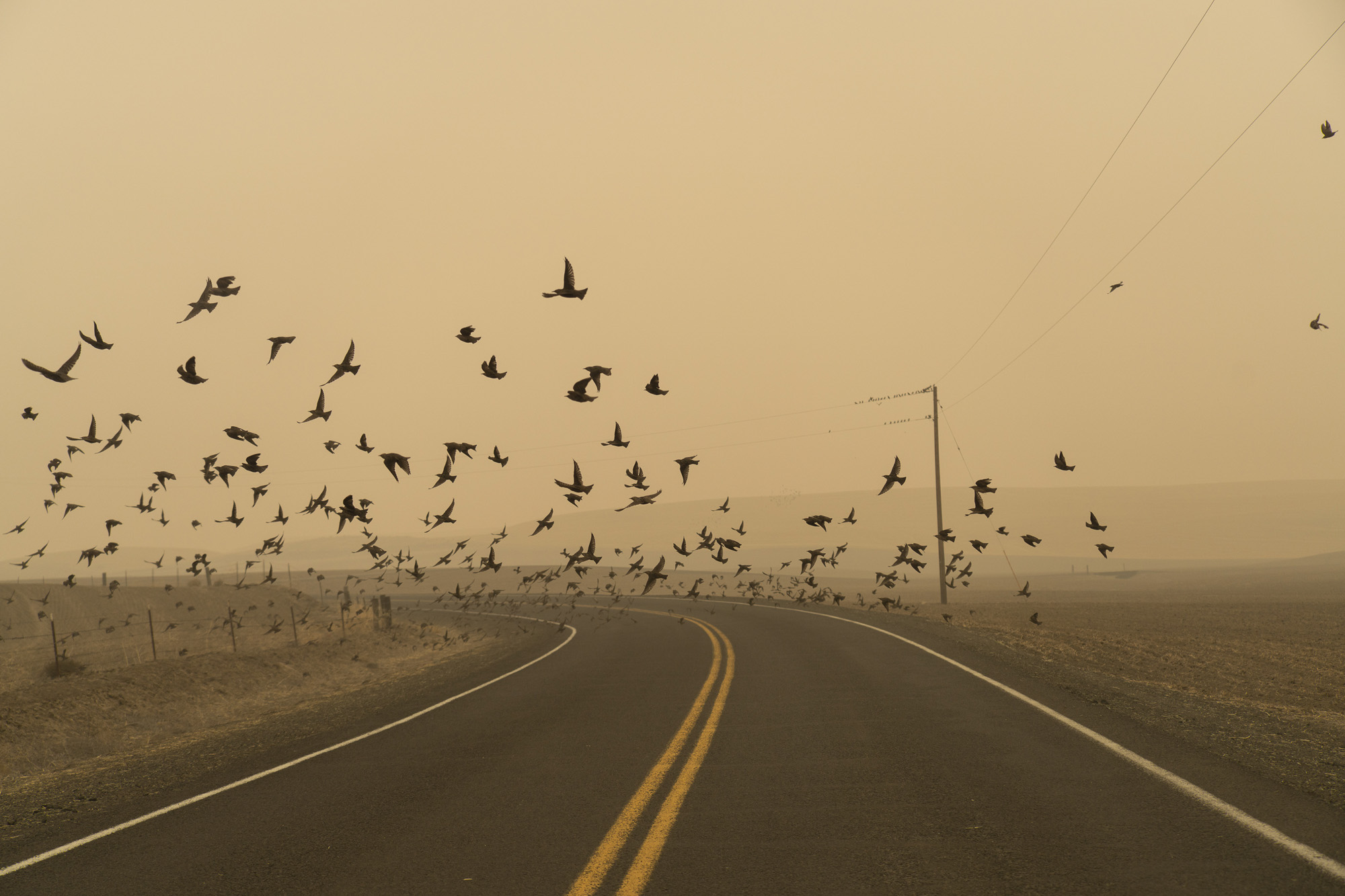
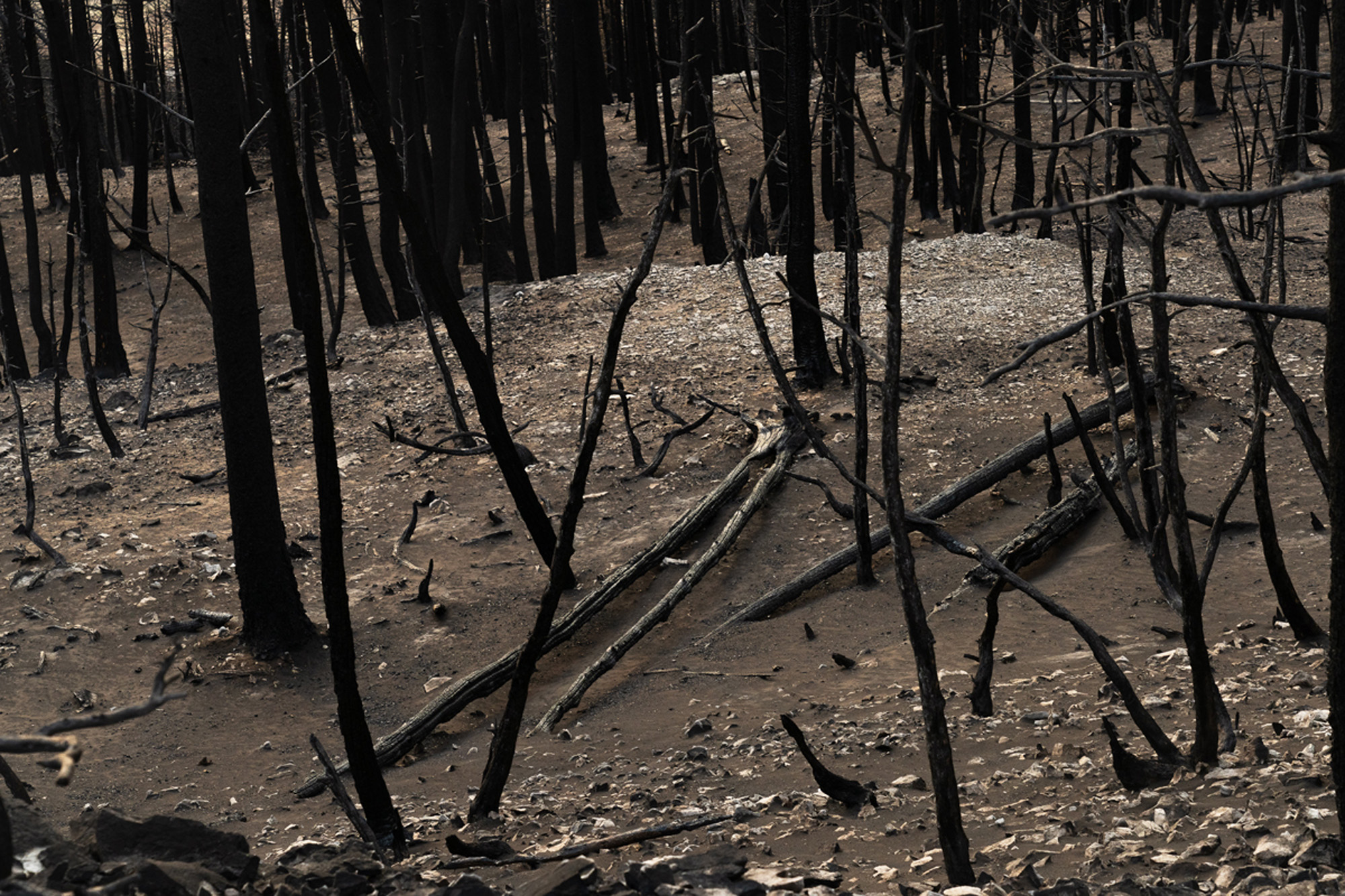
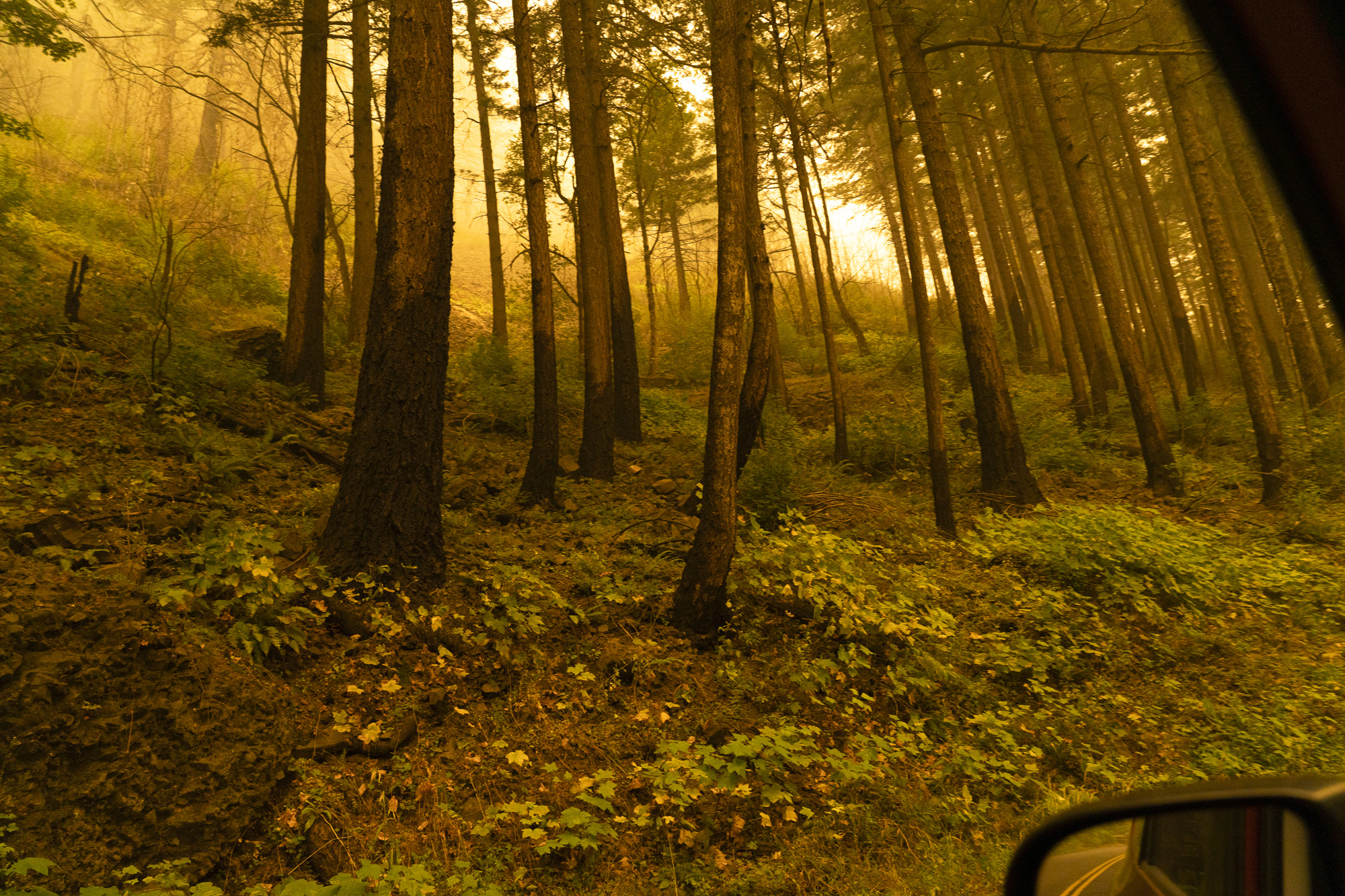
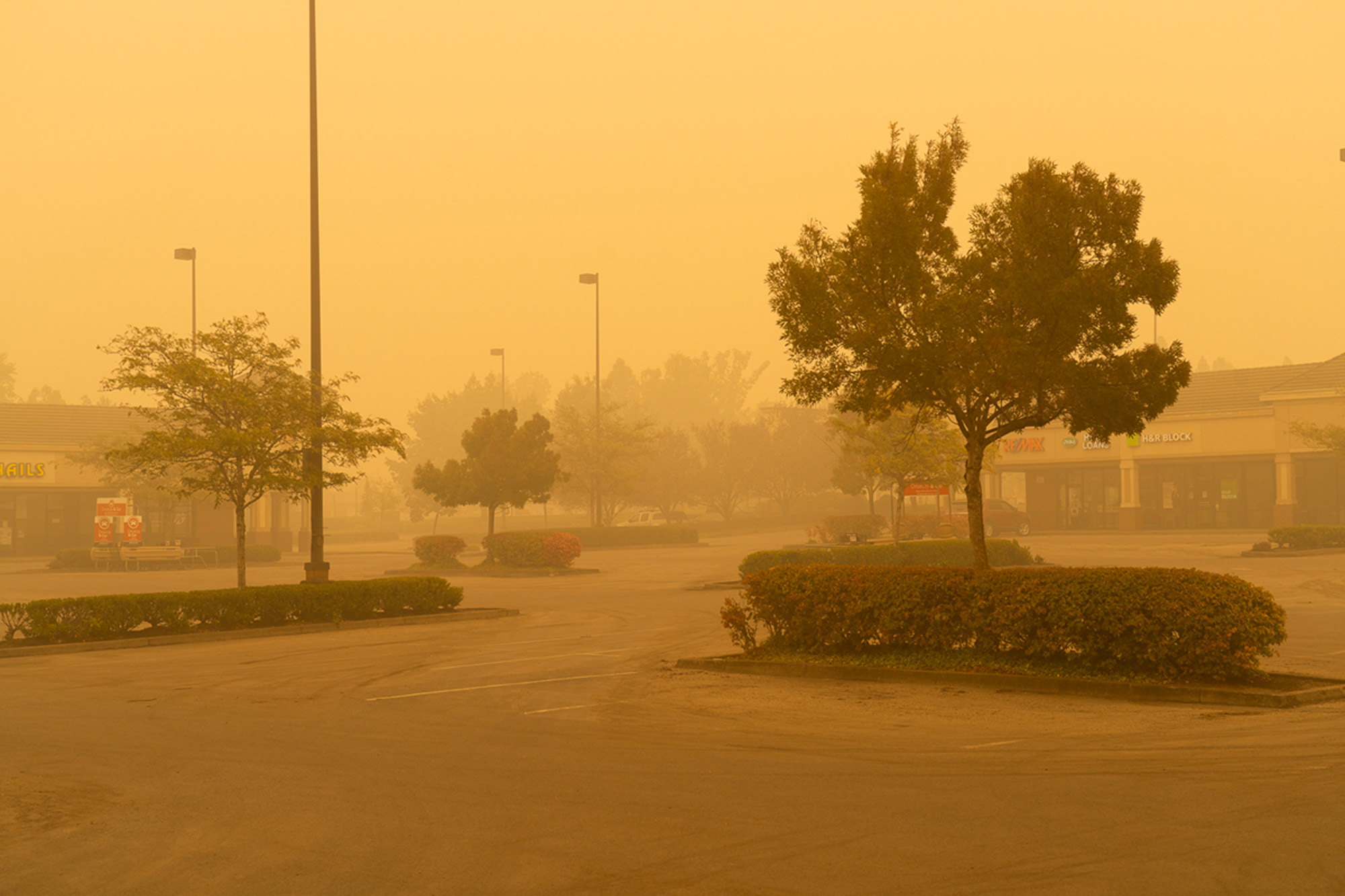
“Driven by a deep love for the land, I am working with concepts of land use, degradation, and restoration. My practice investigates intersections between climate change and psychology, using environmental phenomenon such as fire, drought, or the appreciation of empty space as a lens to examine how land influences the human psyche, ranging from a site of trauma to a space for respite and healing.
Rooted in the American West, I grew up experiencing climate change accelerate all around me, and came to understand some of these changes not only in terms of their scientific and ecological impacts, but also the personal and social changes they create. Parallel to this awareness of change is an intuitive connection to my surroundings and deep love for the places I inhabit—both short and long term.
Emotional and existential distress caused by negative environmental change is a key component to my work. This experience, described by the word solastalgia, is generally felt by people with close, lived experiences of the land they inhabit, and represents a way of understanding grief in relation to landscape and place. It serves as useful framework for a way to express the intense grief I have felt in the wake of wildfires in my hometown and on the former banks of desiccated rivers.
Working with such topics as grief and loss of landscape takes a heavy emotional toll. I am connected to the places I live in and find myself longing for more time spent in recognition of the sense of solace, joy, and belonging that can still be derived from the landscapes I am most familiar with. The impacts of the Anthropocene have already infiltrated much of the land I am connected to, shifting it in both clear and subtle ways. In addition to making images expressing the grief and loss of landscape, another part of my artistic practice involves making images that are meditations of empty space, about the ways I experience the land and belong to the landscapes I inhabit. Collectively, I am always working at reconciling the land as both a place of joy and of grief.
My photographs are engaged with ideas of the sublime and awe, recognizing both the fear and wonder that can be derived from climate disasters and the land in of itself. The allure of these images are at the same time how they become powerful messengers. Certainly, people must look at the pictures long enough to care about the disasters they depict. In recognizing the aesthetic value of these images, we are also recognizing that sometimes terrible events have beautiful results, and that the earth, even while trying to rectify the mess humanity has made, is putting on a show, one so desperately stunning and terrifying that we cannot bear to look away.
People who feel a connection to any part of the earth or nature are well equipped to strongly empathize with the idea that the planet as a whole is their home, and can find endemic destruction in any area disturbing. As more parts of the earth become damaged and polluted, experiences of positive emotions in relationship to the earth become more difficult. And so we are left with more and more solastalgia, more and more climate grief. Even as we seek out solace in nature, it is less able to provide such relief. If grief is the price we pay for love, then to love the land in these times is to always be grieving.”
Jessica Hays is a photographer and artist based in Montana. Her intimate work draws on personal experience to communicate ubiquitous human experiences, tackling topics like mental health, trauma, environmental issues, and loneliness. Grounded in the American West, she explores relationships between people, places, and experiences of being deeply connected to one’s surroundings.
Hays works in a variety of processes including pigment printing, handmade artist books, video, and historic and experimental photo processes. She is the recipient of numerous awards including the Weisman Award and Chulitna Artist Fellowship. Recently, her work has been shown in solo exhibitions at the University of the South, Old Main Gallery, and Aurora PhotoCenter, among others. Her work has been shown internationally in galleries and museums, including the EarthPhoto traveling exhibition throughout the United Kingdom, Filter Photo in Chicago, IL, Huaguang Photography Art Museum in Quanzhou, China, the Griffin Museum of Photography, and Candela Gallery in Richmond, VA, among many others. She has lectured on topics of art, photography, and mental health at conferences, summits, and as a guest speaker in classrooms. Hays has published photographs in a variety of magazines and textbooks. Her work is held in several public and private collections in the US and Canada, including the American Heritage Center and the Special Collections at Montana State University Library. She has published multiple limited edition handmade artist books, and her trade edition monograph The Sun Sets Midafternoon, was published in 2026 with Fall Line Press.
Hays received her MFA in Photography from Columbia College Chicago, and earned a BA in Film and Photography and a BA in Environmental Studies concurrently at Montana State University. She has taught for several years at Columbia College Chicago and the University of Tennessee at Chattanooga, and continues to teach workshops at various institutions. Hays is an active member of Eco.Echo Artist Collective and the Society of Photographic Education. She has served on multiple committees and jurying panels for scholarships, conferences, exhibitions, and fellowships.
Hays’ work aims to explore the long-lasting effects of the land on the human psyche, from trauma to restoration. To view more of her work, please visit jessicahaysart.com


This exhibition is sponsored by the Andy Warhol Foundation for the Visual Arts; Montana Arts Council, a state agency funded by the State of Montana; the National Endowment for the Arts; and additional support from coal tax placed into Montana’s Cultural and Aesthetic Projects Trust Fund.